Stories worth exploring

Your next discovery
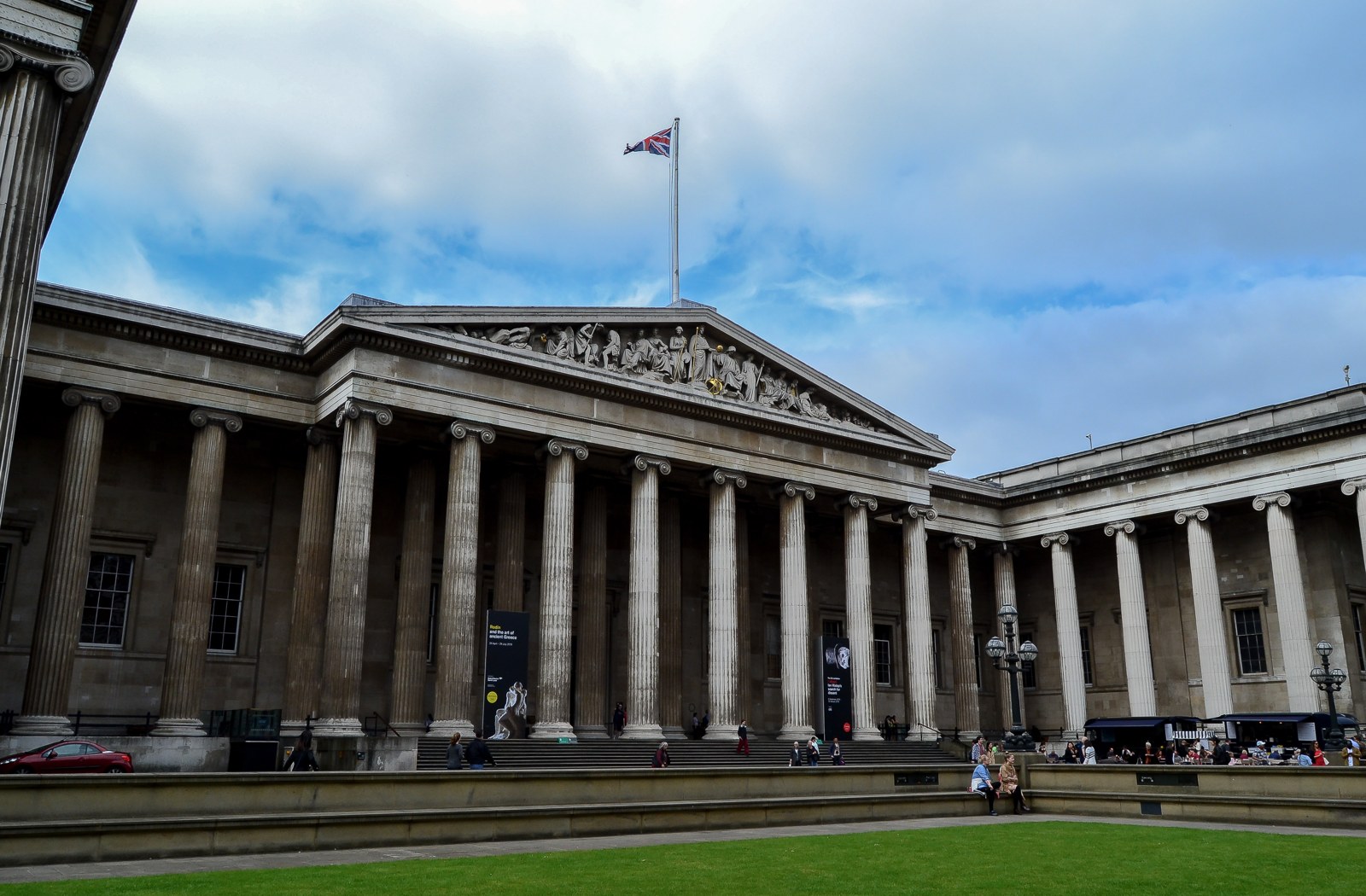
The British Museum's colonnaded exterior in Bloomsbury

The British Museum in two hours: a thoughtful first route

You do not need to see everything to have a memorable visit. Begin in the Great Court, choose a handful of objects and leave time to follow your curiosity.

Read the route

Before the clock starts

Book a free entry slot through the museum, check which galleries are open and allow extra time for the security queue. Our two hours refer to time inside, not the journey or admission process. Pick up the current floor plan when you arrive.

0–20 minutes · Find your bearings

Pause in the Great Court rather than walking straight through. Look up at the glass roof and locate the entrances to the galleries you want to visit. Decide on one object you would be disappointed to miss; make everything else a bonus.

20–65 minutes · Start with ancient Egypt

If accessible on the day, explore the Egyptian sculpture gallery. The Rosetta Stone and the colossal bust of Ramesses II offer two very different ways into the past: language and royal image-making. Read the labels as well as looking at the objects, including the information about their collection histories.

65–105 minutes · Follow one interest

Choose another open gallery from the day's floor plan. You might follow a material, a region or a question rather than another list of famous objects. Give yourself permission to spend ten minutes with something small.

105–120 minutes · Finish well

Return to the Great Court, take a seated break where available and jot down one thing you would like to explore next time. This is a flexible editorial route, not a guided tour or a promise that particular objects will be on display.
Check the official visitor information

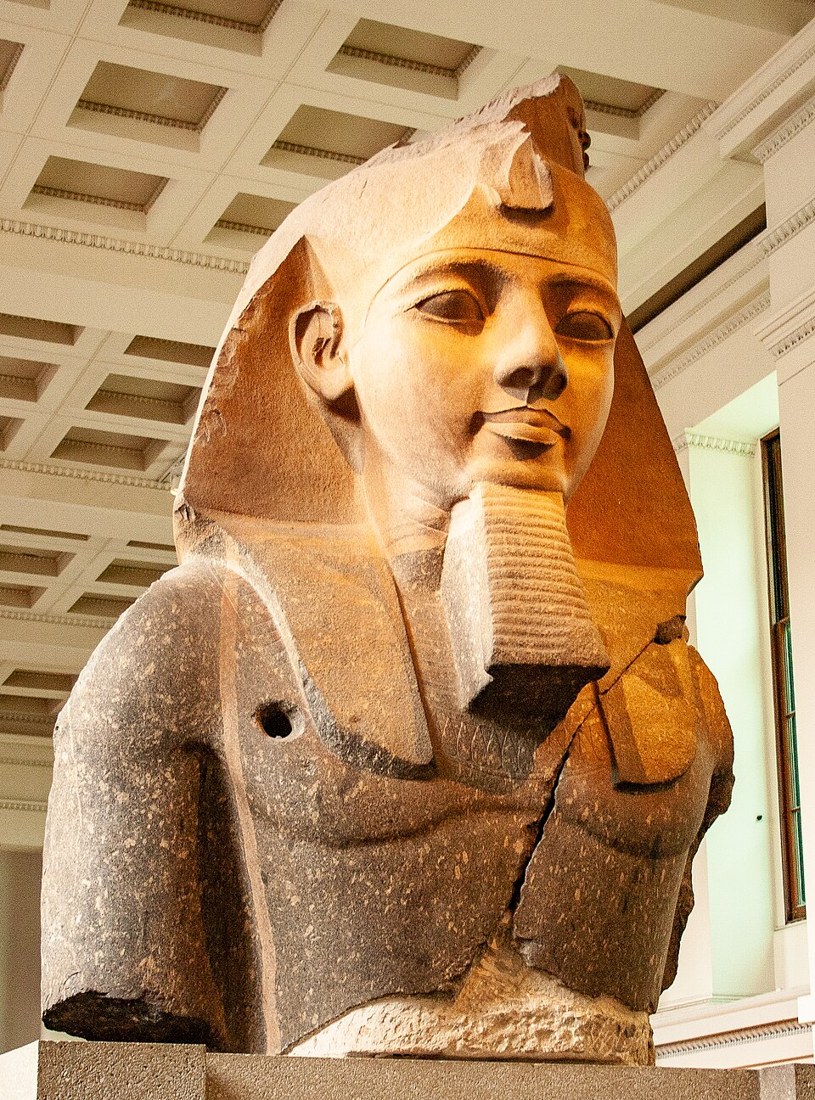
Detail of the monumental granite head and torso of Ramesses II

Ancient Egypt: look beyond the famous faces

The monumental sculptures are only the beginning. Slow down to notice materials, inscriptions and the ways objects have travelled from their original settings to the gallery.

Explore the collection

Look at the material first

Stand back from the colossal bust of Ramesses II, then look more closely at the stone's changing colour and the relationship between polished and worked surfaces. The sculpture once belonged to a much larger architectural setting. Its present gallery surroundings tell only part of its story.

Ask what writing does

The Rosetta Stone is a useful starting point for thinking about language and authority, not simply a famous object to photograph. Read the museum's explanation of the scripts and how comparison helped scholars understand hieroglyphs.

Read the collecting history

Find out where an object was made, where it was found and how it reached London. These are different questions. The museum's own gallery introduction discusses excavation, collecting and the historical circumstances in which objects were acquired.

Object displays and gallery access can change. Explore the museum's Egyptian sculpture guide .

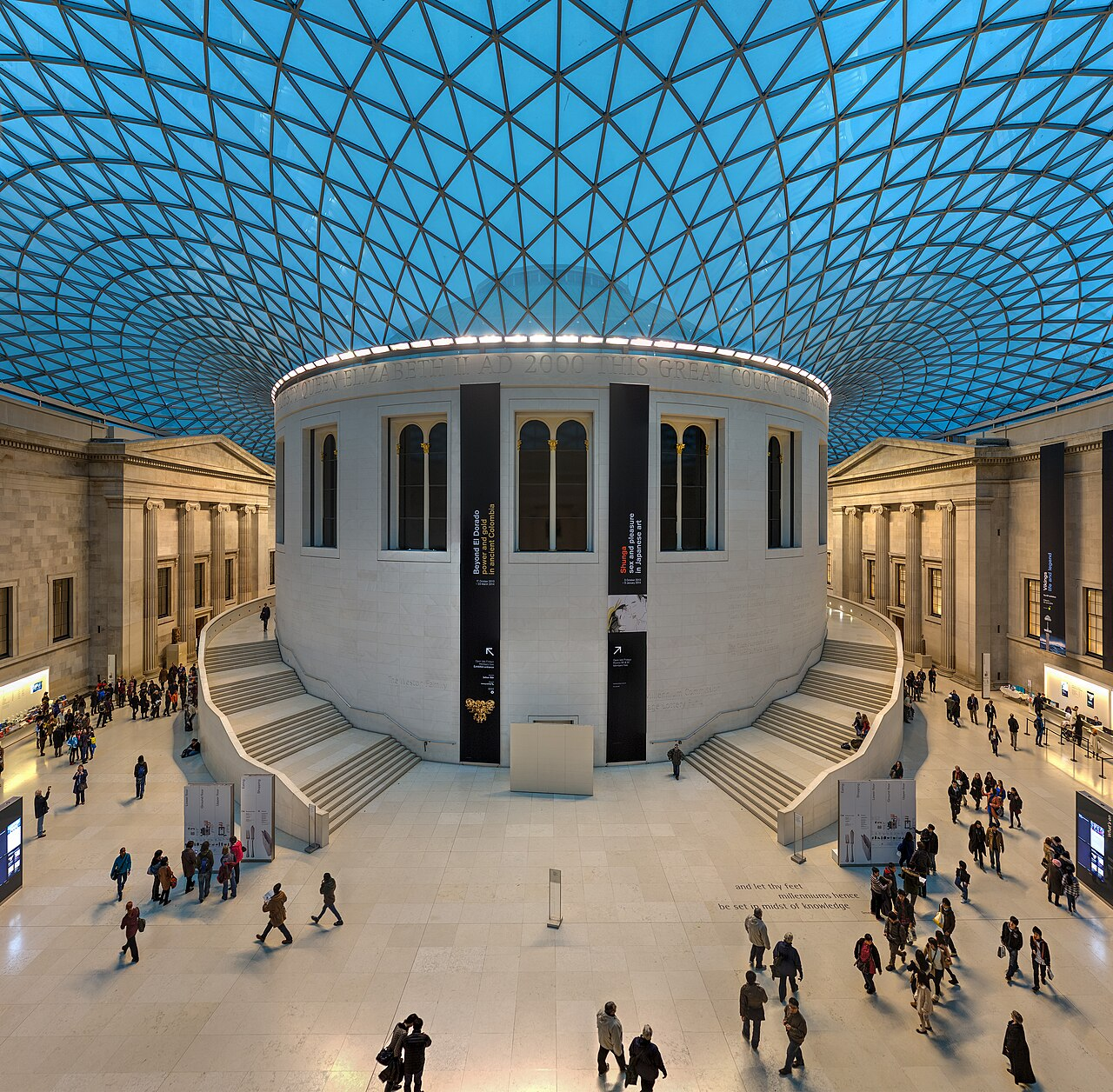
The Great Court's geometric glass roof surrounding the circular Reading Room

Look up: the quiet spectacle of the Great Court

A familiar meeting place becomes a destination in its own right. Discover the light, geometry and unexpected perspectives around the circular Reading Room.

Look a little closer

A courtyard reimagined

The Great Court opened on 6 December 2000. Designed by Foster + Partners, it reorganised the space around the historic circular Reading Room and gave the museum a shared central meeting point.

A roof made of differences

The museum describes a roof containing 3,312 individual glass panels. From below, its geometry can seem perfectly regular; walk a short distance and the lines change around you. Try comparing the view from a corner with the view beside the central drum.

A place to pause

Allow a few minutes here between galleries. Notice how daylight moves across the pale surfaces rather than treating the court only as a shortcut. Keep circulation routes clear when taking photographs and follow any notices about access.

Historical background: the museum's Great Court story .

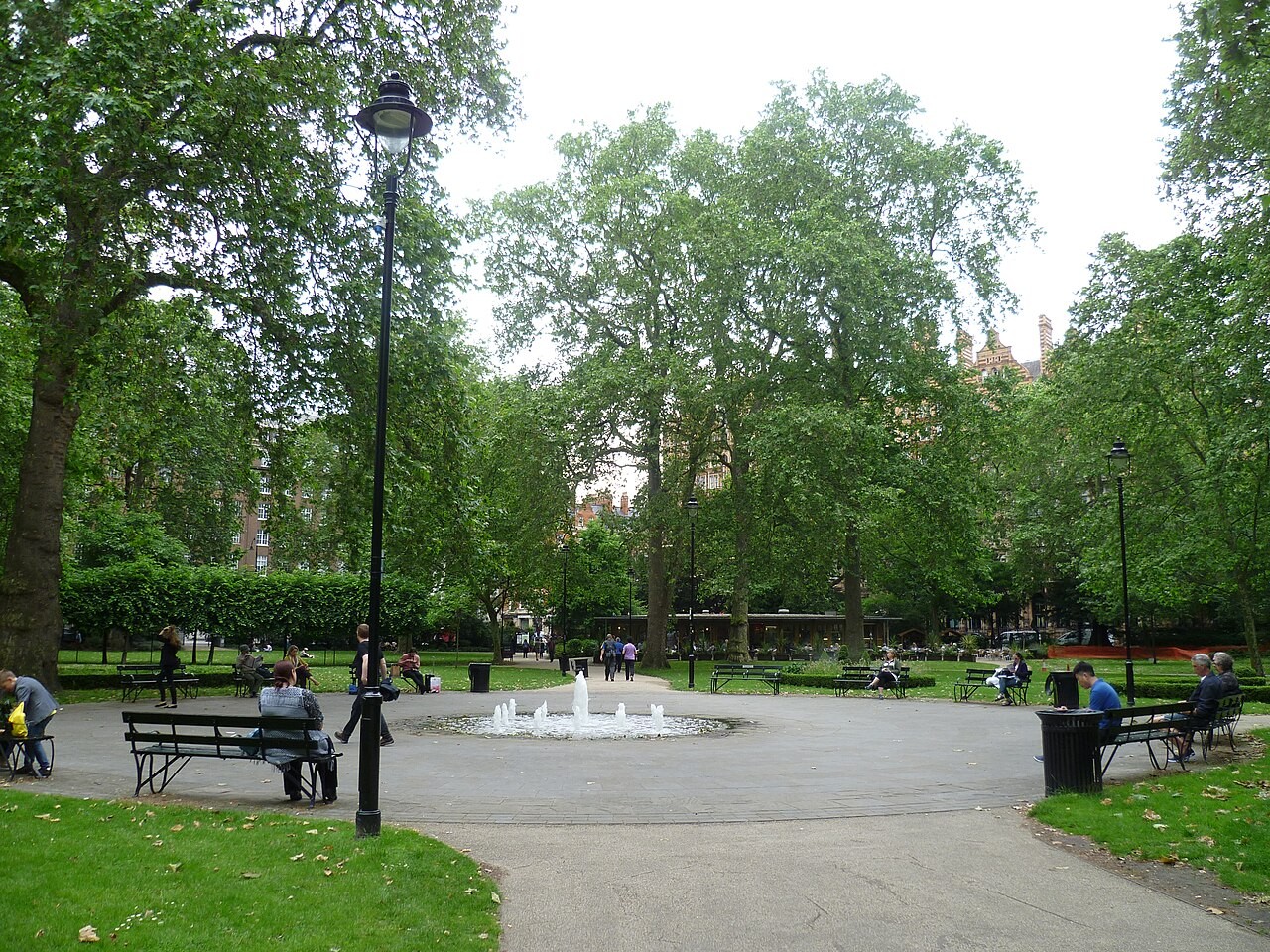
A green summer view across Russell Square Gardens and its central fountain

Bloomsbury on foot: a slower side of London

Beyond the museum's doors, London changes pace. Make room for garden squares, handsome streets and an unhurried wander through the surrounding neighbourhood.

Take the neighbourhood walk

Start on Great Russell Street

After leaving the museum, take a moment to look back at its classical façade from a public pavement. The change from gallery scale to street scale is part of the pleasure of a museum day.

Make for Russell Square

Find your way towards Russell Square for a change of scene. Use a current street map and choose crossings that suit you; this is an outline for an independent walk, not a turn-by-turn or step-free navigation service.

Leave the afternoon open

From the square, wander only as far as your energy and the weather allow. A bench, a bookshop browse or a café break can be a better ending than squeezing in another major attraction. Opening times, garden access and walking conditions vary.

Allow roughly 45–75 minutes for a gentle wander with stops. That is an editorial suggestion, not a measured or guaranteed journey time. Check your onward transport before setting off.

Illustrative café still life with a coffee, book and unlabelled street map

A museum day without the rush

A good itinerary leaves space for the unexpected. Balance a focused gallery visit with a proper pause, a little fresh air and time to enjoy the city around you.

Make a gentler plan

Choose less, notice more

Write down one gallery, one object and one neighbourhood stop before you leave. Treat them as possibilities rather than obligations. A short visit with time to concentrate can be more satisfying than a crowded checklist.

Plan the practical pause

Check the museum's current information about cafés, seating and facilities. If eating elsewhere, choose somewhere that suits your budget and access needs; no named venue or restaurant booking is included in this guide.

Keep an alternative ready

Rain, queues and temporary gallery closures can change the day. Keep a second choice on your floor plan, wear comfortable shoes and carry only what is permitted. Large bags and wheeled suitcases are not allowed under the museum's published visitor guidance.

For specific access requirements, check the museum's accessibility information before travelling. Our suggestions do not replace an individual access plan.